Now Reading: Link Building: What is it and How to Get Great Links?
- 01
Link Building: What is it and How to Get Great Links?


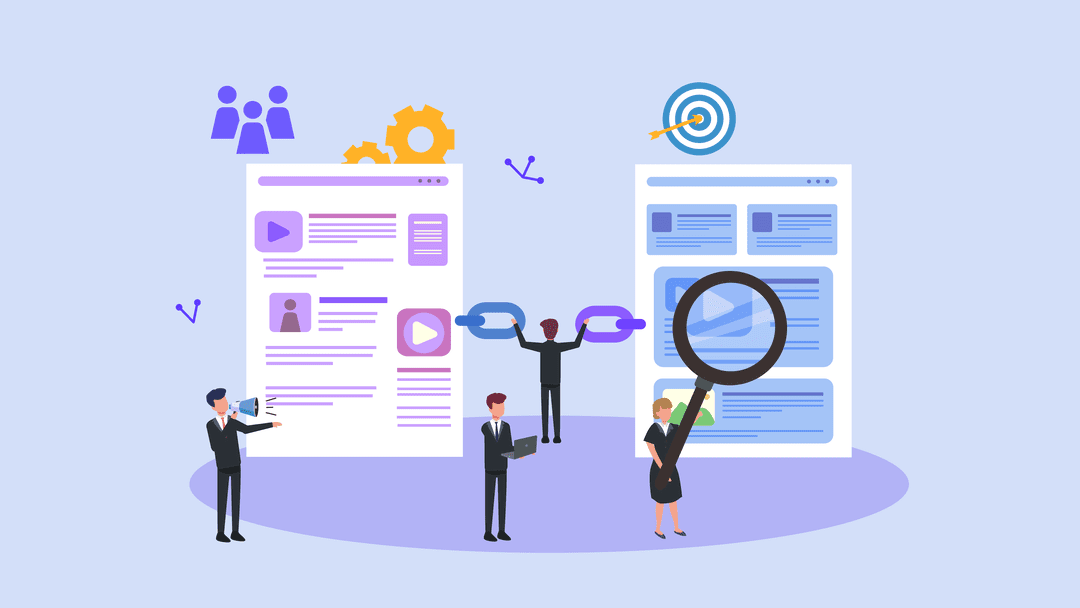
Link building is one of the cornerstone strategies in the world of SEO. But what exactly is link building, and why is it so important? Whether you’re a seasoned digital marketer or just starting out, understanding how to get great links can significantly impact your website’s visibility and authority in search engines. Let’s dive into the world of link building, exploring its nuances, strategies, and how you can harness its power to improve your online presence.
Table of contents
- Introduction
- What is Link Building?
- Why Link Building Matters
- Types of Links
- Link Building Strategies
- Best Practices in Link Building
- Tools and Resources for Link Building
- Measuring the Success of Your Link Building Campaign
- Common Mistakes in Link Building
- Advanced Link Building Techniques
- Real-World Examples and Case Studies
- How to Create a Link Building Plan
- Conclusion
- Frequently Asked Questions (FAQs)

Introduction
In the fast-paced digital landscape, ranking high on search engines is critical to success. One key factor influencing these rankings is link building. But why does link building matter so much? Simply put, links act as endorsements for your website, telling search engines that your content is valuable and trustworthy.
The Importance of Link Building in SEO
Imagine you’re at a party, and someone recommends a great restaurant by saying, “You must try this place!” In the digital world, a backlink works in a similar way—a nod of approval from one website to another. When a reputable site links to your content, it’s like receiving a vote of confidence that can boost your search engine ranking.
Overview of the Article
In this comprehensive guide, we will cover everything from the basics of link building to advanced strategies that can set you apart from the competition. We’ll delve into different types of links, explore effective techniques, highlight common pitfalls, and provide actionable tips to help you create a robust link building strategy. So, let’s start our journey into link building and discover how to secure those valuable links!
What is Link Building?
At its core, link building is the process of acquiring hyperlinks from other websites to your own. These hyperlinks, or backlinks, are essential in SEO as they help search engines determine the relevance and authority of your site.
Definition and Explanation
Link building involves creating and nurturing relationships with other sites, crafting content that others find valuable, and strategically earning links. It’s not just about quantity; the quality of your backlinks plays a crucial role in boosting your site’s credibility. High-quality links come from reputable sources and are naturally integrated within context, making them much more beneficial than a mass of low-quality, spammy links.
Historical Perspective
Back in the early days of SEO, link building was all about quantity. The more links you had, the better your site would rank. However, as search engines have evolved, so have their algorithms. Today, search engines like Google prioritize quality over quantity, focusing on links that offer genuine value to users. This shift has made it essential for marketers to adopt ethical, white-hat link building practices.
Why Link Building Matters
Link building is often referred to as the lifeblood of SEO. Without quality backlinks, even the best content might not reach its full potential in search engine rankings.
Role of Links in SEO
Links serve as a bridge between websites. When a website links to another, it’s essentially vouching for the content’s reliability and usefulness. Search engines use these signals to gauge the credibility of your website, helping it rank higher in search results.
Impact on Search Rankings
Quality backlinks can be a game-changer. They not only drive referral traffic but also significantly influence your site’s search engine ranking. Websites with a robust backlink profile are seen as more authoritative, which can lead to better visibility and more organic traffic over time.
Building Authority and Trust
Think of backlinks as endorsements. Just like a respected colleague’s recommendation can enhance your reputation, a link from a trusted website boosts your site’s authority. Over time, a strong backlink profile builds trust with both users and search engines, positioning your website as a reliable source of information.
Types of Links
Not all links are created equal. Understanding the different types of links can help you tailor your strategy for maximum impact.
Link Building: Natural Links
Natural links are those that are editorially given without any direct action from the website owner. They occur organically when someone finds your content valuable and decides to link to it. These are highly coveted because they signal genuine endorsement.
Link Building: Manual Outreach Links
These links are acquired through proactive efforts such as outreach and relationship-building. Whether you’re guest blogging or collaborating with influencers, manual outreach is about convincing someone to link to your content because it adds value to their audience.
Link Building: Self-Created Links
Also known as “built links,” these are added by the website owner, such as in blog comments or forums. While they can be useful in moderation, over-reliance on self-created links can be risky and may be seen as manipulative by search engines.
Link Building Strategies
Creating a strong backlink profile requires a mix of creativity, effort, and strategy. Here are some of the most effective strategies for obtaining great links:
Link Building: Content Marketing
Content is king, and in the realm of link building, it’s also the kingmaker. By producing high-quality, shareable content, you naturally attract backlinks. Think of it as casting a wide net; the more valuable your content, the more likely it is to be linked to by others.
Link Building: Guest Blogging
Guest blogging is a win-win strategy. You provide valuable content to another website, and in return, you secure a backlink. This not only helps in building links but also expands your audience reach.
Link Building: Social Media Outreach
Social media platforms are excellent channels for promoting your content and earning backlinks. When your content is shared widely, it can catch the eye of influential bloggers and industry experts who might link back to it.
Link Building: Influencer Collaborations
Working with influencers can amplify your reach significantly. Influencers have dedicated audiences that trust their opinions. When they share your content or link to your site, it can drive both traffic and credibility.
Community Engagement
Engaging with online communities and forums related to your niche can also lead to valuable backlinks. By contributing meaningful insights and sharing your expertise, you can naturally earn links as community members reference your content.
Best Practices in Link Building
While the allure of quick wins may tempt you into using questionable methods, the best long-term results come from ethical, white-hat techniques.
White-Hat Techniques
White-hat link building involves earning links through high-quality content and genuine relationship-building. Focus on creating content that answers questions, solves problems, or provides unique insights. When your content stands out, natural links will follow.
Avoiding Black-Hat Methods
Black-hat techniques, such as buying links or using automated link-building tools, may offer short-term gains but can result in severe penalties from search engines. Avoid strategies that violate search engine guidelines; instead, build links organically to ensure long-term success.
Tools and Resources for Link Building
Navigating the world of link building is much easier with the right tools at your disposal. Here are some essential tools that can help streamline your efforts:
SEO Tools Overview
Tools like Ahrefs, Moz, and SEMrush offer comprehensive insights into your backlink profile and your competitors’ strategies. These tools can help you identify potential link opportunities, analyze link quality, and track your progress over time.
Practical Applications
Beyond tracking, many of these tools provide actionable recommendations. For instance, you can use Ahrefs to find broken links on authoritative websites and pitch your content as a replacement, a tactic known as broken link building. The data these tools provide can be the backbone of your link building strategy.
Measuring the Success of Your Link Building Campaign
Knowing whether your link building efforts are paying off is crucial for long-term success. Let’s look at how to measure the effectiveness of your campaigns.
Metrics and KPIs
Key performance indicators (KPIs) such as the number of quality backlinks, domain authority, referral traffic, and search rankings can help gauge the success of your link building initiatives. Keeping track of these metrics over time allows you to see trends and adjust your strategy accordingly.
Tracking Tools and Techniques
Using tracking tools like Google Analytics alongside SEO-specific tools can give you a comprehensive view of your progress. These platforms help you understand which strategies are driving the most value and which ones need refinement.
Common Mistakes in Link Building
Even seasoned marketers can stumble into pitfalls when building links. Here are some common mistakes to avoid:
Over-Optimization
Trying too hard to manipulate link building can backfire. Over-optimization, such as using the same anchor text repeatedly, can signal to search engines that you’re trying to game the system. Instead, keep your link profile natural and varied.
Spammy Links
Acquiring links from low-quality or irrelevant websites can hurt more than help. Spammy links may lead to penalties and diminish your site’s credibility. Always focus on quality over quantity and ensure that every link you earn adds value.
Advanced Link Building Techniques
For those who are ready to take their link building efforts to the next level, advanced techniques can offer significant rewards.
Broken Link Building
Broken link building involves finding dead links on reputable websites and offering your content as a replacement. This technique not only helps the site owner fix an issue but also earns you a valuable backlink. It’s a win-win!
Skyscraper Technique
The skyscraper technique is all about creating content that is far superior to what currently exists on the web. By researching the best-performing content in your niche, you can craft an even better piece and reach out to those who linked to the original content, suggesting your superior version instead.
Digital PR Strategies
Digital PR involves leveraging newsworthy content and press releases to gain media coverage and authoritative backlinks. This approach requires creativity and a good understanding of what makes a story compelling. When executed correctly, digital PR can yield high-quality links from reputable sources.
The Future of Link Building
As the digital landscape evolves, so does the art of link building. Keeping an eye on emerging trends can help you stay ahead of the curve.
AI and Automation
Artificial Intelligence (AI) is revolutionizing SEO and link building. From predictive analysis to content recommendations, AI tools are making it easier to identify link opportunities and optimize your strategies. While automation can streamline processes, remember that genuine relationship-building remains irreplaceable.
Evolving Search Engine Algorithms
Search engine algorithms are continually updated to provide better results for users. Staying informed about these changes can help you adapt your link building strategies to meet new standards. As search engines become more sophisticated, quality and relevance will always trump sheer volume.
Real-World Examples and Case Studies
There’s no substitute for real-world success stories when it comes to understanding the impact of link building.
Success Stories
Consider a small e-commerce site that focused on guest blogging and digital PR. By strategically targeting high-authority blogs and news outlets, the site saw a dramatic increase in organic traffic and search rankings. These success stories underline the potential of a well-executed link building strategy.
Lessons Learned
On the flip side, there are countless examples of sites that suffered from black-hat tactics. Over-reliance on low-quality links or paid link schemes can lead to penalties, proving that sustainable, ethical practices are the only way to go.
How to Create a Link Building Plan
A successful link building strategy doesn’t happen overnight. It requires careful planning, consistent execution, and continuous optimization.
Step-by-Step Guide
- Set Clear Objectives: Define what you want to achieve—whether it’s higher search rankings, increased referral traffic, or improved domain authority.
- Audit Your Current Backlink Profile: Use tools like Ahrefs or Moz to understand where you currently stand.
- Identify Opportunities: Research your competitors and find websites in your niche that are ripe for outreach.
- Develop High-Quality Content: Create content that is informative, engaging, and shareable.
- Engage in Outreach: Reach out to website owners, bloggers, and influencers with personalized pitches.
- Monitor and Adjust: Track your results, learn from what works and what doesn’t, and tweak your strategy accordingly.
Setting Realistic Goals
Building great links is a marathon, not a sprint. Set achievable goals and remember that quality results take time. Consistency is key—small, sustained efforts often yield better long-term results than sporadic bursts of activity.
Conclusion
Link building is an essential component of any successful SEO strategy. By understanding the different types of links, employing effective strategies, and steering clear of common pitfalls, you can create a powerful backlink profile that not only boosts your search rankings but also builds long-term authority and trust. Whether you’re just starting out or looking to refine your existing strategy, remember that the journey to great link building is continuous, and every quality link counts. Embrace a mix of creative content, ethical outreach, and data-driven decision-making, and you’ll see your efforts pay off in the form of increased traffic, higher rankings, and a more robust online presence.
Frequently Asked Questions (FAQs)
The most important factor is quality over quantity. A few high-quality backlinks from reputable sources will have a far greater impact on your SEO than many low-quality links.
Yes, but with caution. Automation can help identify opportunities and manage outreach, but it’s essential to ensure that all links acquired are natural and add genuine value to your content.
Link building is a long-term strategy. While some improvements may be noticed within a few months, significant results typically take six months to a year as search engines gradually recognize and reward the quality of your backlinks.
Yes, using black-hat techniques or acquiring low-quality links can lead to search engine penalties. It’s important to stick to ethical, white-hat methods to ensure sustainable success.
Key metrics include the number of high-quality backlinks, referral traffic from linked sites, improvements in search engine rankings, and overall domain authority. Tools like Google Analytics and SEO platforms like Ahrefs can help track these metrics effectively.