Now Reading: SEO for Website: Quick Tips to Boost Your Rankings
- 01
SEO for Website: Quick Tips to Boost Your Rankings


Introduction to SEO
SEO for Website, Getting noticed online is like trying to stand out in a bustling marketplace. With countless websites vying for attention, Search Engine Optimization (SEO) is your secret weapon. If you’re wondering what SEO is and how it can catapult your website’s visibility, you’ve come to the right place. This article dives deep into the realm of SEO, providing quick tips and advanced strategies to help boost your rankings and drive organic traffic to your site.
Table of contents
What is SEO?
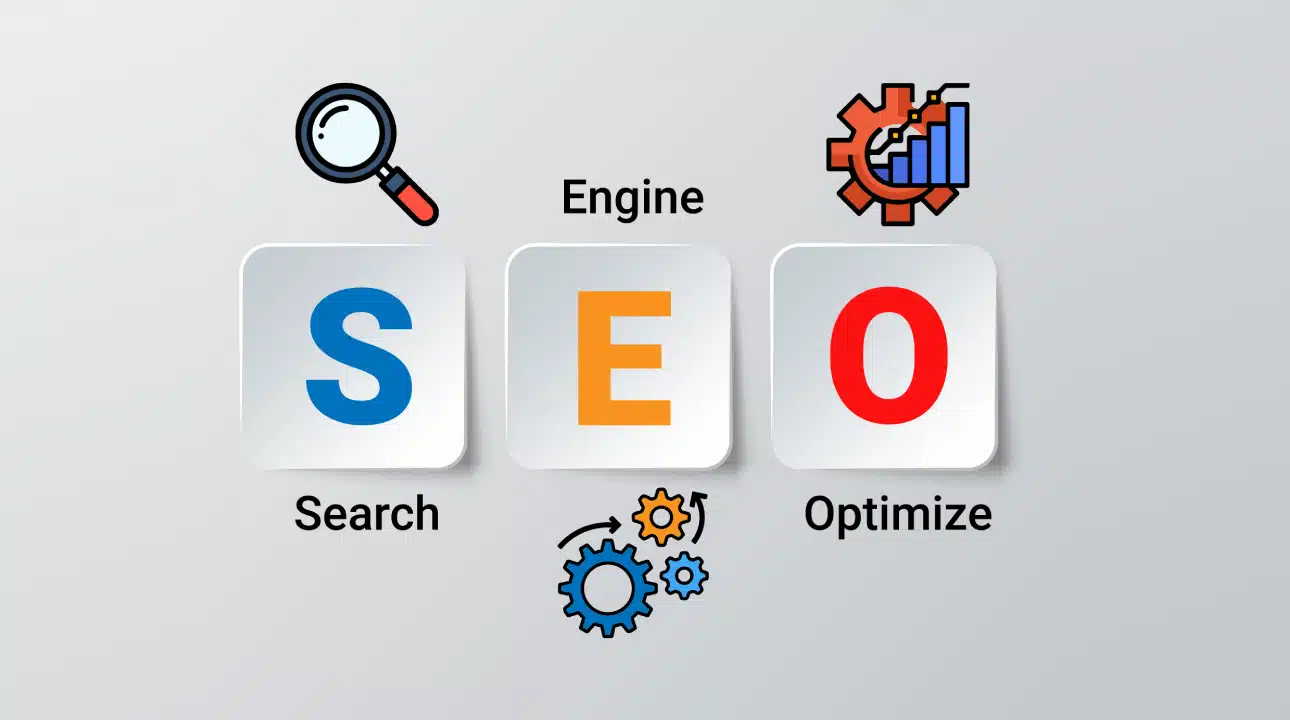
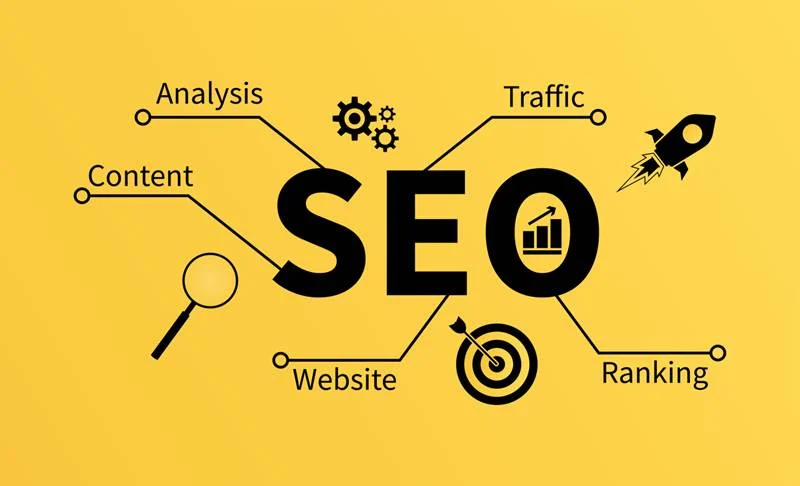
SEO stands for Search Engine Optimization. In simple terms, it’s the process of making your website more appealing to search engines like Google. By optimizing your website’s structure, content, and overall user experience, you increase the chances that your site will appear higher in search engine results pages (SERPs). Think of SEO as tuning your website’s engine to run smoother and faster, ensuring it reaches the top of the digital highway.
Why SEO Matters in Today’s Digital Landscape
Have you ever searched for something online and noticed that the first few results are always the ones you click on? That’s no accident. Users trust websites that rank higher, associating them with credibility and authority. SEO not only helps in building that trust but also drives targeted traffic. With billions of searches happening daily, having a robust SEO strategy means you can tap into this vast pool of potential customers and stay ahead of your competition.
Understanding the Basics of SEO
Before diving into the quick tips to boost your rankings, it’s important to understand the building blocks of SEO. These fundamentals form the backbone of any effective SEO strategy.
The Role of Keyword Research
Keywords are the foundation of SEO. They’re the words and phrases that people type into search engines. Understanding which keywords your target audience uses is crucial for creating content that resonates with them.
Tools and Techniques for Effective Keyword Research
To get started, use keyword research tools like Google Keyword Planner, Ahrefs, or SEMrush. These tools provide insights into search volume, competition, and related keywords. By identifying long-tail keywords (more specific phrases), you can target niche audiences and improve your chances of ranking higher.
On-Page SEO Fundamentals
On-page SEO refers to the optimization of individual pages on your website. It includes everything from the content you write to the images you use.
SEO for Website: Crafting Title Tags and Meta Descriptions
Title tags and meta descriptions are the first things users see in search results. They should be engaging, informative, and include your primary keywords. A well-crafted title tag can significantly improve your click-through rate (CTR).
SEO for Website: Content Optimization Strategies
Content is king in the world of SEO. Ensure your content is original, informative, and provides real value to your readers. Use your keywords naturally within the text and break up your content with subheadings, bullet points, and images. This makes it easier for both search engines and users to navigate your page.
Off-Page SEO Essentials
Off-page SEO involves activities outside your website that influence your rankings. The most well-known off-page tactic is link building.
Link Building and Social Signals
Backlinks—links from other reputable websites to your own—are a strong indicator of trust. The more quality backlinks you have, the more likely search engines will see your site as a reliable source. Additionally, social signals like shares, likes, and comments on your content can indirectly influence your rankings.
Quick Tips to Boost Your Rankings
Let’s get into the nitty-gritty of actionable tips you can implement right away to see a boost in your website’s rankings.
Optimizing Website Speed
Website speed is not just a nice-to-have feature; it’s a necessity. A slow website can frustrate visitors and increase bounce rates, which negatively impacts your SEO. Use tools like Google PageSpeed Insights to analyze your site’s performance and make improvements. Compress images, enable browser caching, and consider a Content Delivery Network (CDN) to enhance load times.
Ensuring Mobile-Friendly Design
With more than half of all web traffic coming from mobile devices, having a mobile-friendly website is critical. Responsive design ensures your site adapts seamlessly to different screen sizes. Google also uses mobile-first indexing, meaning it predominantly uses the mobile version of your content for indexing and ranking.
Enhancing User Experience
User experience (UX) is at the heart of SEO. A well-designed website that’s easy to navigate keeps visitors engaged. Make sure your site’s layout is intuitive, with clear calls-to-action and easy-to-find information. An enjoyable user experience not only boosts your rankings but also converts visitors into loyal customers.
Creating Quality Content
When it comes to SEO, content truly is king. High-quality content that addresses your audience’s needs can set you apart from competitors.
Blogging and Guest Posts
Regular blogging keeps your site fresh and provides a platform to target long-tail keywords. Don’t be afraid to guest post on reputable blogs in your niche; it’s an excellent way to build backlinks and expand your reach.
Multimedia and Visual Content
Incorporate images, videos, infographics, and other multimedia elements into your content. Visual content not only enhances the user experience but can also improve your SEO. For instance, optimizing image alt text and including descriptive captions can help search engines understand your content better.
Internal Linking Strategies
Internal links help search engines understand the structure of your website and distribute page authority throughout your site. When you link related content, you create a network of pages that can boost the overall SEO performance. Make sure your anchor text is descriptive and relevant to the linked page.
Advanced SEO Strategies
Once you have the basics down, it’s time to explore some advanced strategies that can take your SEO efforts to the next level.
Technical SEO
Technical SEO focuses on optimizing the non-content elements of your website. This includes site architecture, URL structure, and more.
Site Structure and Schema Markup
A well-organized site structure makes it easier for search engines to crawl and index your pages. Implementing schema markup—a form of microdata—can help search engines understand your content and display rich snippets in search results. Rich snippets can significantly improve your CTR by providing additional information directly in the SERPs.
URL Optimization
Clean, descriptive URLs are essential. Instead of long, cryptic URLs, use clear and concise structures that include your target keywords. This not only improves SEO but also makes it easier for users to remember your links.
Local SEO Techniques
For businesses with a local presence, local SEO is critical. It helps you connect with customers in your vicinity and boosts your local rankings.
Google My Business Optimization
Claim and optimize your Google My Business listing. Ensure your business information is accurate and up-to-date. Encourage satisfied customers to leave reviews, as these can influence local rankings and build trust with potential clients.
Local Citations and Reviews
Building local citations—mentions of your business name, address, and phone number on other websites—can improve your local search visibility. Additionally, monitor and respond to reviews on platforms like Yelp and TripAdvisor. Positive reviews not only enhance your reputation but also contribute to your SEO efforts.
SEO Tools and Resources
Leveraging the right tools can streamline your SEO efforts and provide valuable insights into your website’s performance.
Analytics Tools (Google Analytics, Search Console)
Google Analytics and Google Search Console are must-have tools for any website owner. Analytics provides data on user behavior, while Search Console helps monitor your site’s performance in search results. Use these platforms to identify high-performing pages, track organic traffic, and uncover areas that need improvement.
Keyword Research Tools (Ahrefs, SEMrush, etc.)
To stay ahead in the SEO game, invest in reliable keyword research tools. Platforms like Ahrefs, SEMrush, and Moz offer in-depth keyword analysis, competitor research, and backlink tracking. These insights are invaluable when refining your SEO strategy.
SEO Audit Tools
Regular SEO audits are crucial for identifying and fixing issues that could be hindering your site’s performance. Tools like Screaming Frog and Sitebulb crawl your website to find broken links, duplicate content, and other technical issues. An SEO audit helps you maintain a healthy website that is optimized for search engines.
Measuring and Analyzing SEO Success
How do you know if your SEO efforts are paying off? The answer lies in measuring key performance indicators (KPIs) and regularly analyzing your data.
Key Performance Indicators (KPIs)
KPIs such as organic traffic, bounce rate, conversion rate, and keyword rankings are essential metrics to monitor. They provide insights into how well your SEO strategy is working. For example, a decrease in bounce rate combined with an increase in average session duration indicates that visitors find your content engaging and relevant.
Tracking and Reporting
Set up regular reporting to track your SEO progress over time. Use dashboards and automated reports to keep an eye on your KPIs. This practice not only helps you measure success but also allows you to make data-driven decisions and refine your strategy as needed.
Conclusion
SEO is a dynamic field that requires continuous learning and adaptation. From the basics of keyword research and on-page optimization to advanced techniques like technical SEO and local search strategies, every element plays a vital role in boosting your website’s rankings. Remember, SEO is not a one-time fix but an ongoing process that evolves with search engine algorithms and user behavior. By implementing these quick tips and advanced strategies, you’ll be well on your way to enhancing your online presence, driving targeted traffic, and ultimately achieving your business goals.
In a world where digital competition is fierce, investing time in SEO is one of the smartest moves you can make. Whether you’re a seasoned marketer or just starting out, these insights will help you create a robust SEO strategy that stands the test of time. Keep experimenting, stay updated with the latest trends, and always focus on delivering value to your audience. After all, the key to great SEO is understanding your users and continually adapting to their needs.
Frequently Asked Questions (FAQs)
For beginners, mastering keyword research and on-page optimization is crucial. Focusing on creating quality content that resonates with your target audience sets a solid foundation for all your future SEO efforts.
SEO is a long-term strategy. While some improvements can be seen in a few weeks, significant results typically take 3-6 months or more. Consistency and ongoing optimization are key.
Many small business owners start with DIY SEO using available online resources and tools. However, as your website grows or if you’re in a highly competitive industry, hiring an SEO expert or agency can provide more specialized strategies and faster results.
SEO is ever-evolving, so it’s advisable to review your strategy at least once a quarter. Stay informed about algorithm updates and industry trends, and adjust your tactics accordingly.
Social media and content marketing are integral parts of a holistic SEO strategy. While social signals don’t directly influence rankings, they help in building brand awareness and generating traffic, which can lead to more backlinks and improved search engine performance.