Now Reading: What is SEO And How Does It Work?
- 01
What is SEO And How Does It Work?


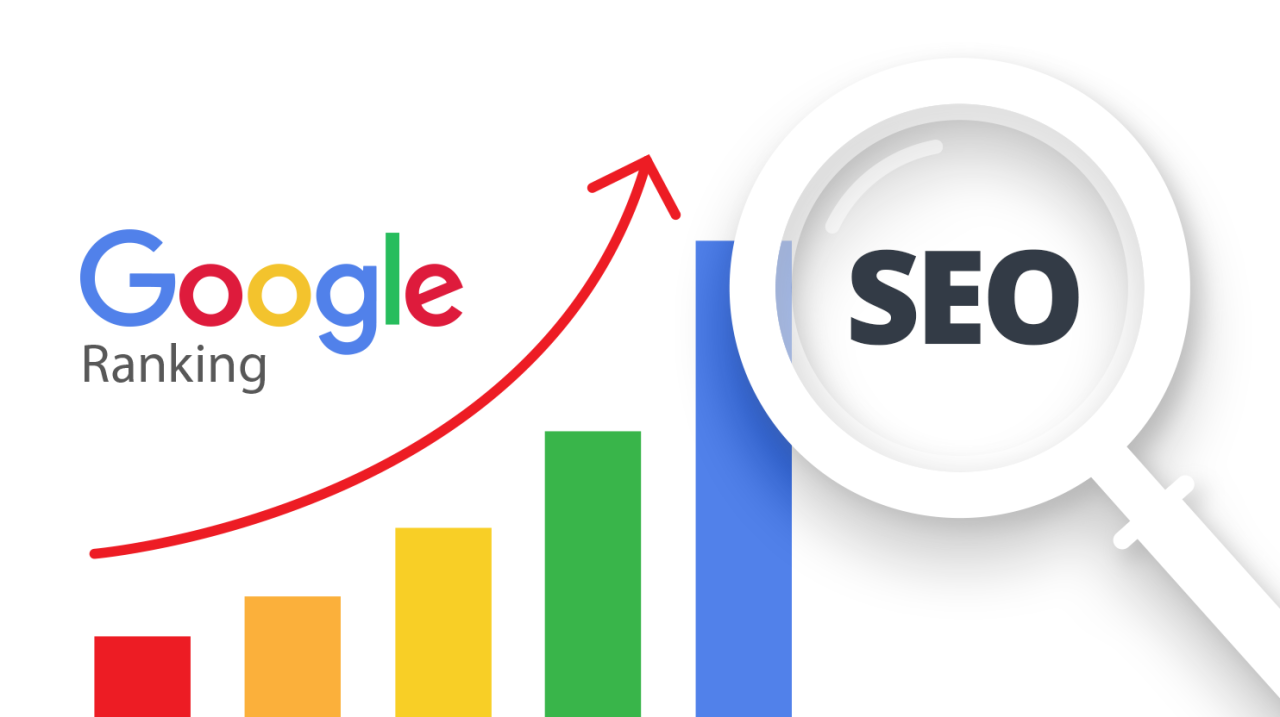
When you hear the term SEO, you might immediately think of mysterious algorithms and tech jargon. But in simple terms, SEO (Search Engine Optimization) is the art and science of making your website more visible on search engines like Google, Bing, and Yahoo. It’s about ensuring that when someone searches for topics related to your business or content, your site pops up near the top of the results. Today, let’s dive deep into what SEO is, how it works, and why it’s an absolute game-changer for anyone looking to thrive online.
Table of contents
Introduction to SEO
What is SEO?
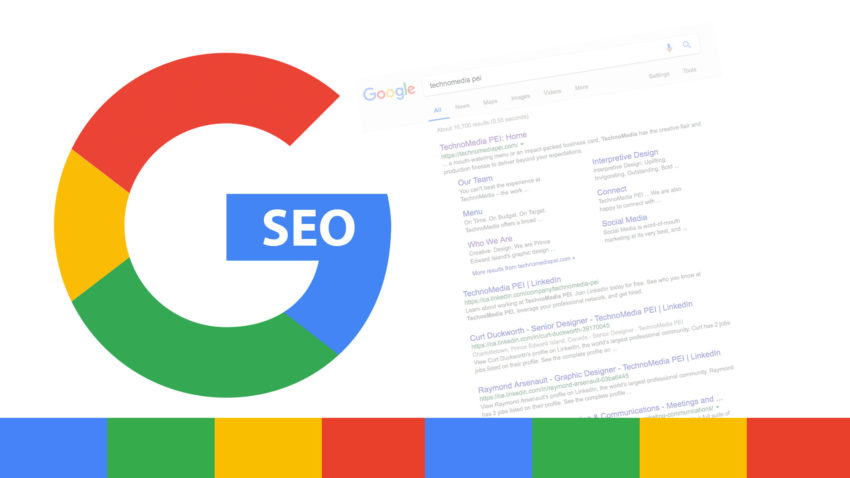
SEO is the process of optimizing your website to improve its ranking in search engine results pages (SERPs). Think of it as fine-tuning your website so that search engines can easily understand what you’re offering, and in turn, reward you with a higher ranking. This involves a mix of strategies ranging from tweaking your website’s content to technical adjustments behind the scenes.
Brief History of SEO
SEO wasn’t always the sophisticated, multi-faceted discipline it is today. In the early days of the internet, search engines were simple, and ranking a page was more about stuffing it with keywords. Over time, search engines evolved, and so did SEO. Today, SEO is about quality, relevance, and providing an exceptional user experience. Algorithms have become smarter, focusing on user intent, context, and the overall value a page offers.
Importance of SEO
SEO for Businesses
Imagine having the best product or service, but no one knows about it—that’s what happens if your website isn’t visible. SEO acts as a spotlight for your business online. By improving your site’s ranking, you not only increase visibility but also build trust with your audience. Higher rankings lead to more organic (non-paid) traffic, which can translate into more leads, sales, or readers.
SEO vs. Paid Advertising
While paid advertising can bring quick results, SEO offers long-term benefits. With paid ads, your presence vanishes the moment you stop funding them. In contrast, good SEO builds a solid foundation, continuously attracting organic traffic without ongoing costs. It’s like planting a tree—once nurtured, it can provide shade for years to come.
How Search Engines Work
Understanding how search engines operate can help you grasp why SEO is so important. Let’s break down the core processes: crawling, indexing, and ranking.
Crawling
Crawling is the first step in the search engine process. Search engines use automated bots, known as spiders or crawlers, to scour the internet for new and updated content. These bots follow links from one page to another, much like you might follow a trail in the woods. If a page is hidden deep within your website and not linked properly, the crawlers might miss it entirely!
Indexing
Once the crawlers discover a page, the next step is indexing. During indexing, the search engine analyzes the page’s content and stores information about it in a massive database. This database is what the search engine refers to when someone enters a query. Essentially, indexing is the process of organizing all the information the crawler has gathered so that it can be quickly retrieved later.
Ranking
Finally, when a user performs a search, the search engine sifts through its index and ranks the pages based on a variety of factors. This ranking determines the order in which results appear. Factors influencing ranking include relevance to the search query, quality of content, user experience, and even how trustworthy the website appears. The higher your page ranks, the more likely users will click on it.
Key Components of SEO
SEO isn’t just about sprinkling keywords into your content. It’s an intricate blend of several critical components. Let’s explore these key areas:
On-Page SEO
On-page SEO refers to all the measures you take within your website to improve its position in search rankings.
Content Quality
Content is king in the digital realm. High-quality, relevant, and engaging content is essential. Search engines are smart—they can differentiate between thin, low-value content and comprehensive, useful articles. The better your content addresses your audience’s needs, the more likely it is to perform well.
Keyword Optimization
Keywords are the terms and phrases that users type into search engines. Identifying and strategically placing these keywords within your content is crucial. But it’s not just about stuffing keywords—context matters. Modern SEO emphasizes natural language and user intent.
Meta Tags and Titles
Meta tags, including title tags and meta descriptions, provide a snapshot of your page’s content. They play a significant role in SEO by helping search engines understand your page’s subject matter. A compelling title and description can also improve your click-through rate by attracting users to your link in the search results.
Off-Page SEO
Off-page SEO involves all the activities you perform outside your website to improve its authority and reputation.
Link Building
Backlinks, or inbound links from other reputable sites, are like votes of confidence in the eyes of search engines. When quality sites link to your content, it signals that your information is valuable and trustworthy. However, it’s crucial to focus on quality over quantity.
Social Signals
Social media activity can indirectly influence your SEO efforts. While social signals (likes, shares, comments) might not directly boost rankings, they can drive traffic and enhance brand awareness. When your content is shared widely, it increases the chances of earning quality backlinks and mentions.
Technical SEO
Technical SEO focuses on optimizing your website’s infrastructure so that search engines can easily crawl and index your content.
Site Speed
In today’s fast-paced world, speed matters. A slow website can frustrate users and negatively impact your rankings. Optimizing your site’s loading time by compressing images, leveraging browser caching, and minimizing code can significantly enhance user experience.
Mobile-Friendliness
With more people browsing on mobile devices than ever before, having a mobile-friendly website is essential. Responsive design, which adapts your site to different screen sizes, ensures that users have a seamless experience whether they’re on a desktop, tablet, or smartphone.
SEO Strategies and Best Practices
Now that we’ve covered the fundamental components of SEO, let’s dive into some strategies and best practices you can implement.
Keyword Research Techniques
Before creating content, you need to know what your audience is searching for. Keyword research tools like Google Keyword Planner, SEMrush, and Ahrefs can help you identify high-traffic, relevant keywords. Look for a mix of short-tail and long-tail keywords to target both broad and specific search queries.
Content Creation and Optimization
When it comes to content, quality is non-negotiable. Write for your audience first, and then optimize for search engines. Use your keywords naturally within engaging, informative content. Break up your text with subheadings, bullet points, and images to improve readability. Remember, a well-structured article is more likely to keep readers engaged and encourage them to explore more of your site.
Link Building Strategies
Building quality backlinks is one of the most effective ways to boost your SEO. Focus on creating shareable content that naturally attracts links. You can also reach out to industry influencers, guest post on reputable sites, and participate in online communities to build your network. Always aim for links from authoritative, relevant sites to maximize their impact.
SEO Tools and Resources
No SEO strategy is complete without the right tools to measure and improve your efforts. Here are a few you should consider:
Google Analytics and Search Console
Google Analytics is a powerful tool that helps you track website traffic, user behavior, and conversions. Complementing this, Google Search Console offers insights into how your site is performing in search results, alerts you to potential issues, and provides data on keyword rankings.
SEO Tools like SEMrush, Ahrefs, and Moz
These tools offer a comprehensive suite of features, including keyword research, backlink analysis, and competitor insights. They can help you monitor your SEO performance, identify opportunities for improvement, and stay ahead of industry trends. While some of these tools require a subscription, the investment is often well worth the insights they provide.
The Future of SEO
SEO is not static—it evolves with technology, user behavior, and search engine algorithms. Staying ahead of the curve is key.
Impact of AI and Machine Learning
Artificial intelligence (AI) and machine learning are revolutionizing the SEO landscape. Search engines like Google are increasingly relying on AI to understand context, user intent, and even the nuances of language. This means that SEO strategies need to adapt. Instead of focusing solely on keywords, modern SEO emphasizes semantic search, meaning that content must address broader topics in depth.
Voice Search and Mobile SEO
With the proliferation of smart speakers and virtual assistants, voice search is becoming increasingly popular. Voice queries tend to be longer and more conversational, so it’s essential to optimize your content for natural language queries. Additionally, as mobile browsing continues to dominate, ensuring your site is optimized for mobile users will only grow in importance.
Conclusion
SEO is a dynamic, multifaceted process that plays a crucial role in establishing a strong online presence. Whether you’re a small business owner or a seasoned digital marketer, understanding and implementing effective SEO strategies can drive organic traffic, build trust, and ultimately lead to growth. From on-page elements like content quality and meta tags to off-page activities such as link building and social engagement, every aspect of SEO contributes to a better user experience and improved search rankings.
The future of SEO is exciting, with AI, voice search, and mobile optimization paving the way for new strategies. While the landscape may evolve, the core principles remain the same: create valuable content, ensure a seamless user experience, and build genuine connections within your digital community. Embrace SEO as an ongoing journey rather than a one-time project, and watch your online presence flourish.
Frequently Asked Questions (FAQs)
SEO, or Search Engine Optimization, is the process of optimizing your website to rank higher in search engine results. It’s important because it increases visibility, drives organic traffic, and builds credibility, helping your business reach its target audience without relying solely on paid advertising.
Search engines use complex algorithms that consider factors such as content quality, keyword relevance, user experience, site speed, mobile-friendliness, and the number and quality of backlinks. These factors collectively determine a website’s relevance and authority.
On-page SEO focuses on elements within your website—such as content quality, keyword placement, meta tags, and internal linking—while off-page SEO involves external factors like backlinks, social signals, and brand mentions across the web.
SEO is a long-term strategy. While some changes can bring quick wins, it generally takes time for search engines to crawl, index, and reflect improvements in rankings. Consistent efforts over several months typically lead to more sustainable results.
SEO tools like Google Analytics, Search Console, SEMrush, Ahrefs, and Moz provide valuable insights into your website’s performance, keyword rankings, and backlink profile. They help you track progress, identify areas for improvement, and stay ahead of trends in an ever-changing digital landscape.