Now Reading: Google Analytics: Unlocking the Power of Data
- 01
Google Analytics: Unlocking the Power of Data


Welcome to a deep dive into one of the most powerful tools in digital marketing today—Google Analytics. Whether you’re a seasoned marketer, a small business owner, or someone just curious about what goes on behind the scenes of your website’s performance, Google Analytics is the tool that unlocks the hidden potential of your online presence. In this article, we’ll walk through everything you need to know about Google Analytics, from its inception to its advanced features and future developments. Grab a cup of coffee, settle in, and let’s explore how data can transform your digital strategy.
Table of contents
- Introduction
- What is Google Analytics?
- Key Features of Google Analytics
- Setting Up Google Analytics
- Navigating the Google Analytics Dashboard
- Advanced Tracking Techniques
- Best Practices for Data Analysis
- Integrations with Other Tools
- Overcoming Common Challenges
- The Future of Google Analytics
- Case Studies and Real-World Examples
- Conclusion
- Frequently Asked Questions (FAQs)
Introduction
In our digital age, data isn’t just a by-product of online activity—it’s the lifeblood of decision-making. Every click, page view, and interaction on your website tells a story about your audience, their interests, and how they engage with your brand. But how do you capture and make sense of all this information? That’s where Google Analytics comes in.
The Importance of Analytics in the Digital Age
Imagine trying to navigate a bustling city without a map or GPS. That’s exactly what running a website without analytics is like. Analytics provides you with a clear picture of where your traffic comes from, what interests your visitors, and which parts of your site are working hard for you. In essence, analytics turns raw data into actionable insights, helping you optimize your website, tailor your marketing strategies, and ultimately boost your ROI.
Overview of Google Analytics
Google Analytics is a free and robust platform that offers detailed insights into your website’s performance. From tracking visitor behavior to analyzing conversion paths, this tool gives you the data you need to make informed decisions. Whether you’re running a blog, an e-commerce site, or a corporate portal, understanding the ins and outs of Google Analytics can significantly enhance your digital strategy.
What is Google Analytics?
At its core, Google Analytics is a web analytics service offered by Google that tracks and reports website traffic. It allows businesses of all sizes to understand how users interact with their site, which pages attract the most attention, and what drives conversions. What is SEO
Google Analytics: Definition and Purpose
Google Analytics is designed to collect and analyze data from your website, offering a comprehensive view of your audience’s behavior. It tells you who your visitors are, what devices they’re using, how long they stay, and much more. The purpose is simple: to help you understand your audience better so you can create a more effective, user-centric website.
Google Analytics: History and Evolution
Originally launched in 2005, Google Analytics has undergone significant transformations over the years. Starting from a basic tool to track simple metrics, it has evolved into a sophisticated platform that supports advanced segmentation, real-time reporting, and integration with various marketing tools. With continuous updates and improvements, Google Analytics remains a cornerstone in the field of digital analytics.
Key Features of Google Analytics
Google Analytics is packed with features that empower users to dissect every facet of their online performance. Here are some of the key features that make it indispensable:
Google Analytics: Real-Time Reporting
One of the most exciting aspects of Google Analytics is its real-time reporting capability. This feature allows you to see live data on how many users are on your site, what pages they’re viewing, and even their geographic locations. Real-time reporting is particularly useful during product launches or marketing campaigns when every minute counts.
Google Analytics: Audience Insights
Understanding your audience is crucial, and Google Analytics provides a wealth of information about who is visiting your site. Demographic data, interests, geographic location, and even the technology they use (like mobile vs. desktop) are all available at your fingertips. This information can help you tailor your content and marketing strategies to meet your audience’s needs.
Google Analytics: Behavior Analysis
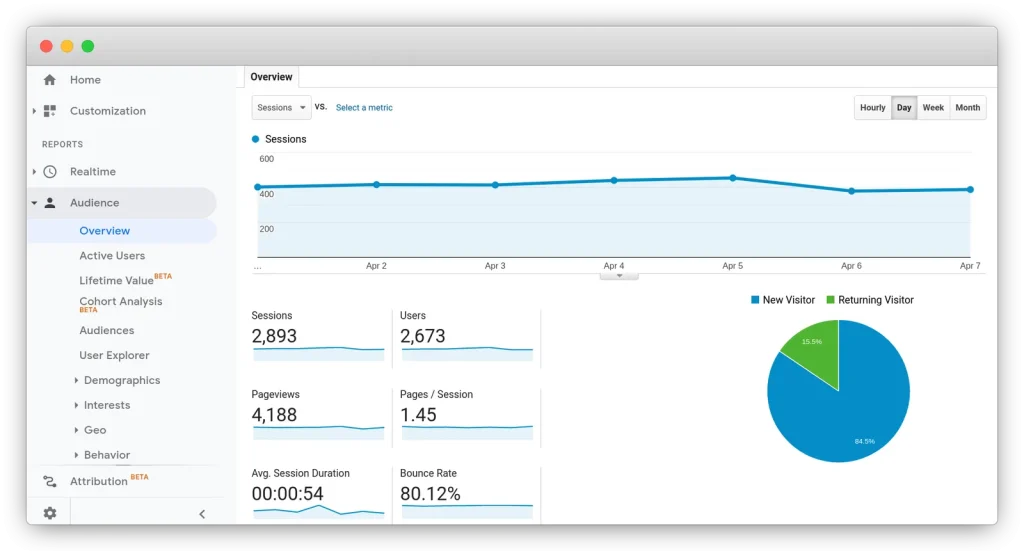
How users navigate your website can reveal a lot about their preferences and pain points. Google Analytics tracks behavior metrics such as session duration, bounce rate, and page views per session. By analyzing these metrics, you can identify which pages are performing well and which ones need improvement, ensuring your site remains engaging and user-friendly.
Setting Up Google Analytics
Getting started with Google Analytics is a straightforward process, but it’s important to set it up correctly to reap its full benefits.
Google Analytics: Creating an Account
The first step is to create a Google Analytics account. If you already have a Google account, you’re a step ahead. Simply navigate to the Google Analytics website, sign in, and follow the prompts to set up your account. During this process, you’ll create a new property that represents your website.
Google Analytics: Installing the Tracking Code
Once your account is set up, you’ll need to install the tracking code on your website. This snippet of JavaScript code collects data about your site’s visitors and sends it to Google Analytics. For those not well-versed in coding, this might sound intimidating—but fear not! Most website platforms offer plugins or built-in integrations to simplify this process.
Using Google Tag Manager for Simplified Setup
Google Tag Manager is a free tool that allows you to manage and deploy marketing tags (including the Google Analytics tracking code) without modifying the code on your website directly. It’s a lifesaver for those who frequently update their tags, as it streamlines the process and reduces the risk of errors. With Tag Manager, you can quickly add, edit, and disable tags, making your analytics setup both flexible and efficient.
Navigating the Google Analytics Dashboard
The Google Analytics dashboard is your command center. It may seem overwhelming at first, but once you get acquainted with its layout, you’ll appreciate the wealth of information it provides.
Understanding the Home Interface
The home interface offers a snapshot of your website’s performance. Here, you’ll find key metrics like the number of active users, top-performing pages, and traffic sources. This overview is designed to give you a quick understanding of how your site is doing at any given moment.
Custom Reports and Segmentation
While the default reports in Google Analytics are incredibly useful, the platform also allows you to create custom reports tailored to your specific needs. Segmentation enables you to filter data based on various criteria such as geography, behavior, or traffic source. This level of customization ensures that you can drill down into the details that matter most to your business.
Advanced Tracking Techniques
For those ready to take their analytics game to the next level, Google Analytics offers advanced tracking techniques that provide deeper insights into user behavior.
Setting Up Goals and Conversions
Goals are specific actions you want your visitors to take on your website, such as making a purchase, signing up for a newsletter, or filling out a contact form. By setting up goals in Google Analytics, you can track conversions and measure how effectively your website meets its objectives. This feature is invaluable for understanding the ROI of your digital marketing efforts.
Event and E-commerce Tracking
Events are user interactions with content that can be tracked independently from a web page load. This includes actions like clicks, downloads, or video plays. E-commerce tracking takes it a step further by allowing you to monitor transactions, revenue, and product performance. With these tools, you can get a granular view of how users interact with your site and where improvements can be made.
Best Practices for Data Analysis
Once you’ve gathered a mountain of data, the next challenge is making sense of it all. Here are some best practices to help you turn raw data into actionable insights.
Creating Custom Dashboards
Custom dashboards allow you to consolidate the most important metrics into one view. By creating dashboards that focus on key performance indicators (KPIs), you can quickly assess the health of your website and identify trends over time. This personalized approach saves you time and ensures you’re always focused on what matters most.
Using Filters and Segments
Filters and segments are powerful tools for slicing your data. They enable you to isolate specific groups of users or interactions, helping you identify patterns and anomalies. For instance, you can segment your audience by device type or traffic source to understand how different groups behave on your site. This level of detail can guide your strategic decisions and marketing adjustments.
Integrations with Other Tools
Google Analytics shines even brighter when integrated with other digital marketing tools. These integrations extend its functionality and allow for a more cohesive analysis of your online efforts.
Google Ads Integration
Linking Google Analytics with Google Ads creates a seamless flow of data between your advertising campaigns and your website performance metrics. This integration provides insights into how your paid search efforts drive traffic and conversions, enabling you to optimize your ad spend effectively. It’s like having a direct line of communication between your ad campaigns and your website analytics.
Third-Party Integrations
Beyond Google’s ecosystem, Google Analytics can be integrated with a host of third-party tools. Whether you’re using CRM software, email marketing platforms, or social media management tools, these integrations allow you to view a more comprehensive picture of your customer journey. By consolidating data from multiple sources, you can make more informed decisions and fine-tune your overall marketing strategy.
Overcoming Common Challenges
Even the most robust tool isn’t without its challenges. Understanding common pitfalls and knowing how to overcome them can save you time and ensure the integrity of your data.
Ensuring Data Accuracy
Data accuracy is the foundation of reliable analytics. Issues like duplicate tracking, incorrect implementation of tracking codes, or misconfigured filters can skew your data. Regular audits of your Google Analytics setup are essential. Make sure that your tracking code is correctly installed on every page and that filters are properly configured to exclude internal traffic and bots. By maintaining clean data, you’ll have confidence in the insights you derive from the platform.
Privacy and Compliance Concerns
With increasing awareness around data privacy, ensuring compliance with regulations like GDPR and CCPA is more important than ever. Google Analytics offers features such as IP anonymization and user consent management to help you adhere to these regulations. It’s vital to keep abreast of legal changes and adjust your settings accordingly to protect both your business and your users’ privacy.
The Future of Google Analytics
The digital landscape is constantly evolving, and so is Google Analytics. The future promises even more sophisticated tools and capabilities that will redefine how we understand online behavior.
AI and Machine Learning
Artificial Intelligence and Machine Learning are already starting to play a significant role in data analytics. Google Analytics is integrating these technologies to provide predictive insights, automated anomaly detection, and smarter segmentation. Imagine a tool that not only reports what happened but also anticipates what could happen—this is the future that AI promises to deliver.
Adapting to Privacy Regulations
As privacy regulations continue to tighten, tools like Google Analytics must evolve to protect user data while still delivering valuable insights. The future will likely see more built-in privacy features and greater transparency in data collection practices. Businesses will need to stay informed and adapt their strategies to balance analytics with compliance.
Case Studies and Real-World Examples
Sometimes the best way to understand a tool’s potential is by looking at real-world examples. Here are a couple of case studies that illustrate how Google Analytics can drive success.
Small Business Success Stories
Small businesses have leveraged Google Analytics to transform their online presence. Consider a local café that used analytics to track website visits and social media referrals. By identifying which posts drove the most engagement, the café was able to tailor its social media strategy, ultimately increasing foot traffic and boosting sales. Analytics provided them with a clear picture of customer behavior, allowing them to make data-driven decisions that propelled their business forward.
Enterprise-Level Implementations
On the other end of the spectrum, large enterprises utilize Google Analytics to manage complex digital ecosystems. For instance, a multinational e-commerce platform might integrate Google Analytics with its CRM and advertising tools to monitor customer journeys across multiple touchpoints. The insights derived from such integrations help them optimize conversion funnels, improve user experience, and significantly increase revenue. These examples underscore how scalable and adaptable Google Analytics is, regardless of the size of the organization.
Conclusion
In today’s fast-paced digital world, understanding your audience is more than just a luxury—it’s a necessity. Google Analytics provides the tools to decode user behavior, optimize your marketing strategies, and ultimately drive business growth. Whether you’re just starting or are an experienced marketer, embracing the power of data through Google Analytics can transform the way you do business. Remember, every click tells a story, and with the right insights, you can turn those stories into a roadmap for success.
As you move forward, keep experimenting with the features discussed, stay updated with the latest enhancements, and continuously refine your strategies. Data is not just numbers on a screen—it’s a dynamic narrative that, when interpreted correctly, can guide your business to new heights.
Frequently Asked Questions (FAQs)
Google Analytics offers a free version that is suitable for most small to medium-sized businesses. For larger enterprises with more complex needs, Google provides Analytics 360, a premium solution with advanced features and dedicated support. The free version, however, remains a robust tool for most users.
Interpreting traffic data involves looking at key metrics such as session duration, bounce rate, and conversion rates. It’s important to segment your data—by device, geography, or traffic source—to understand different user behaviors. Over time, trends in this data can help you optimize your site and marketing efforts.
Google Analytics is built with robust security measures in place. However, ensuring data accuracy and compliance is also your responsibility. Regularly review your tracking setup and privacy settings, and stay informed about changes in data protection regulations to maintain a secure and compliant environment.
Absolutely! Google Analytics can be seamlessly integrated with tools like Google Ads, Google Search Console, and a variety of third-party platforms including CRM systems and email marketing services. These integrations provide a holistic view of your marketing efforts and enable more precise optimizations.
The future of Google Analytics looks promising with advancements in AI and machine learning set to provide even deeper insights. As privacy regulations evolve, Google is expected to introduce more features that balance comprehensive data collection with user privacy. Staying current with these changes will ensure that your digital strategy remains cutting-edge.